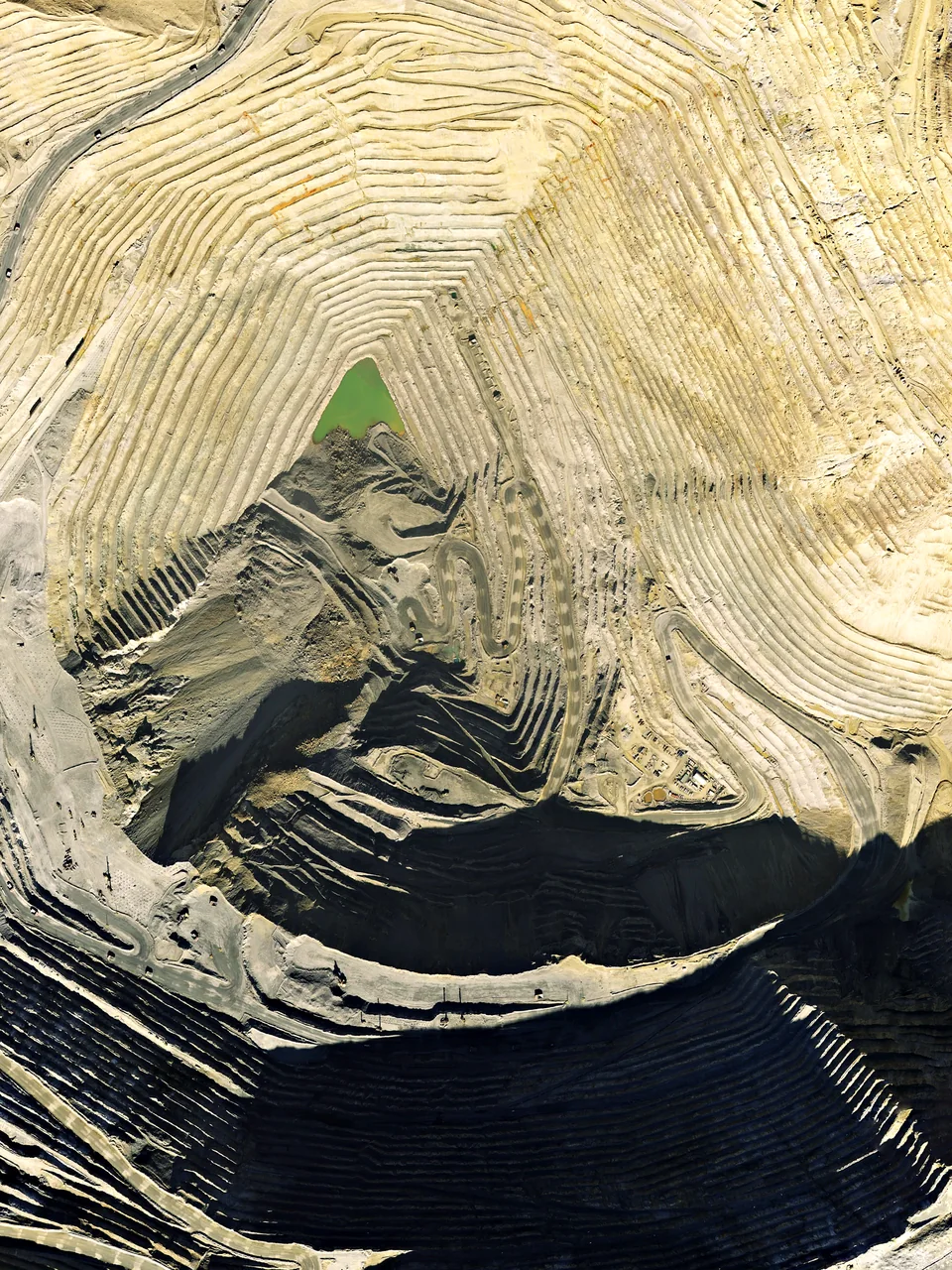
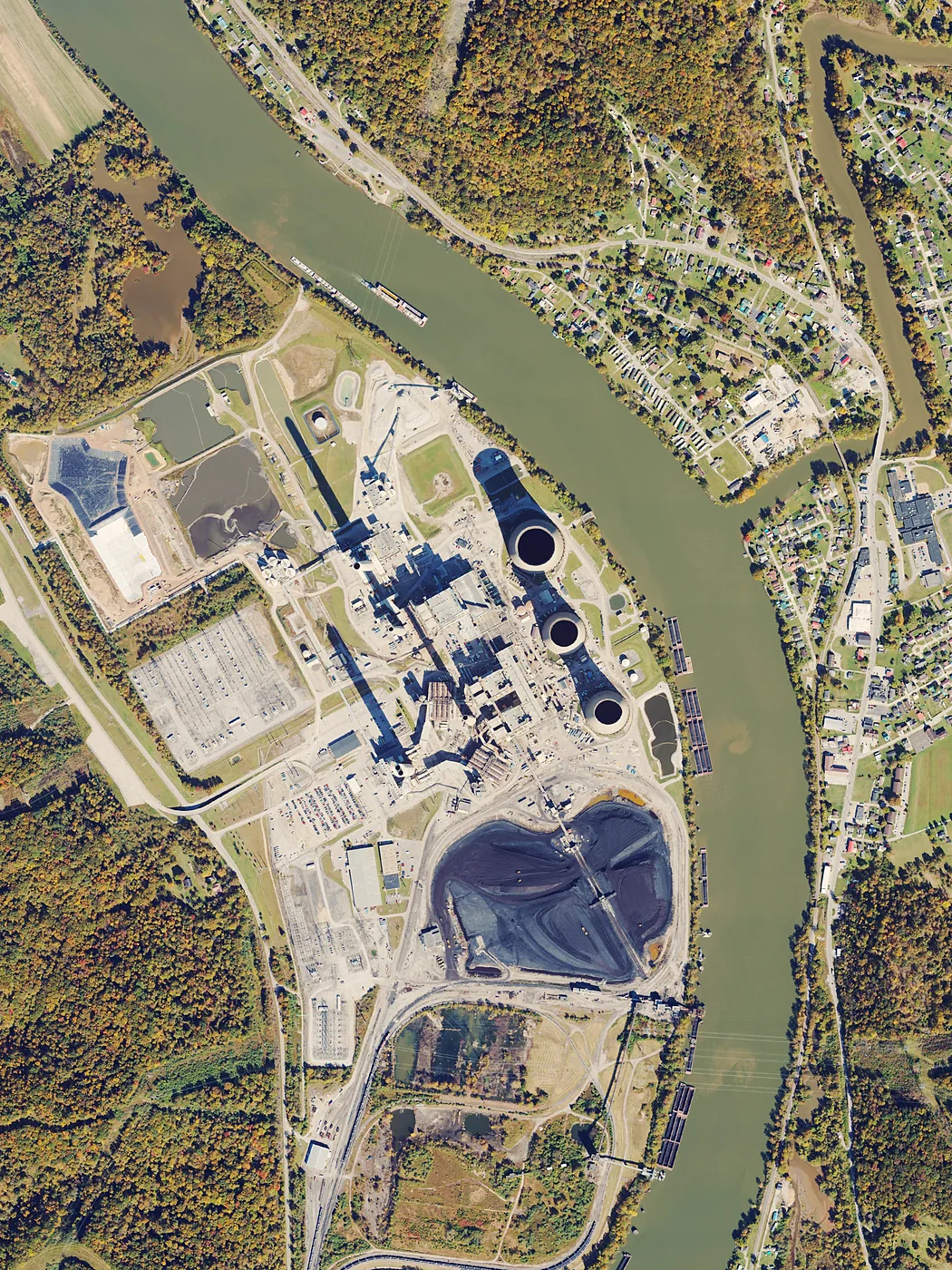
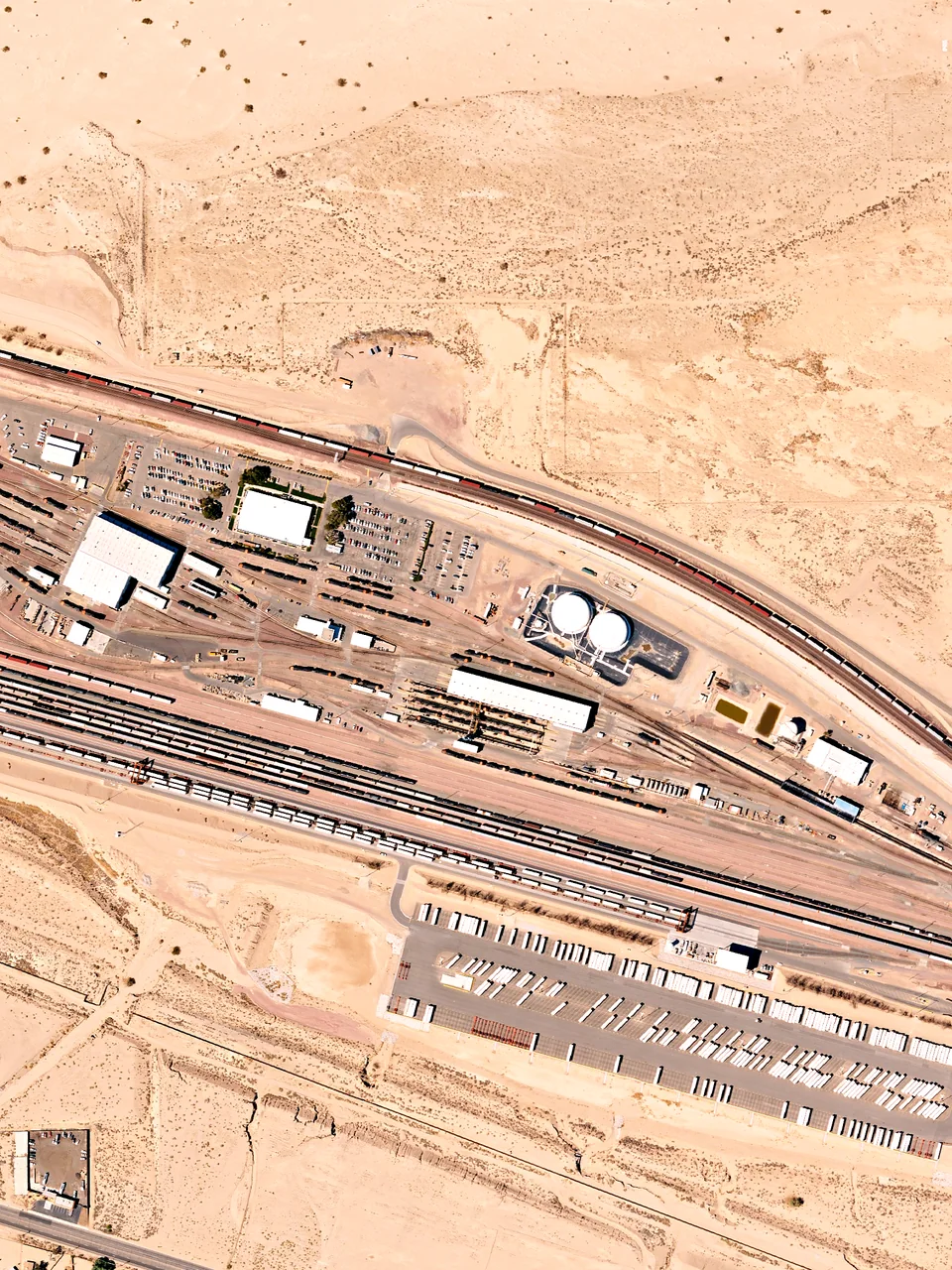
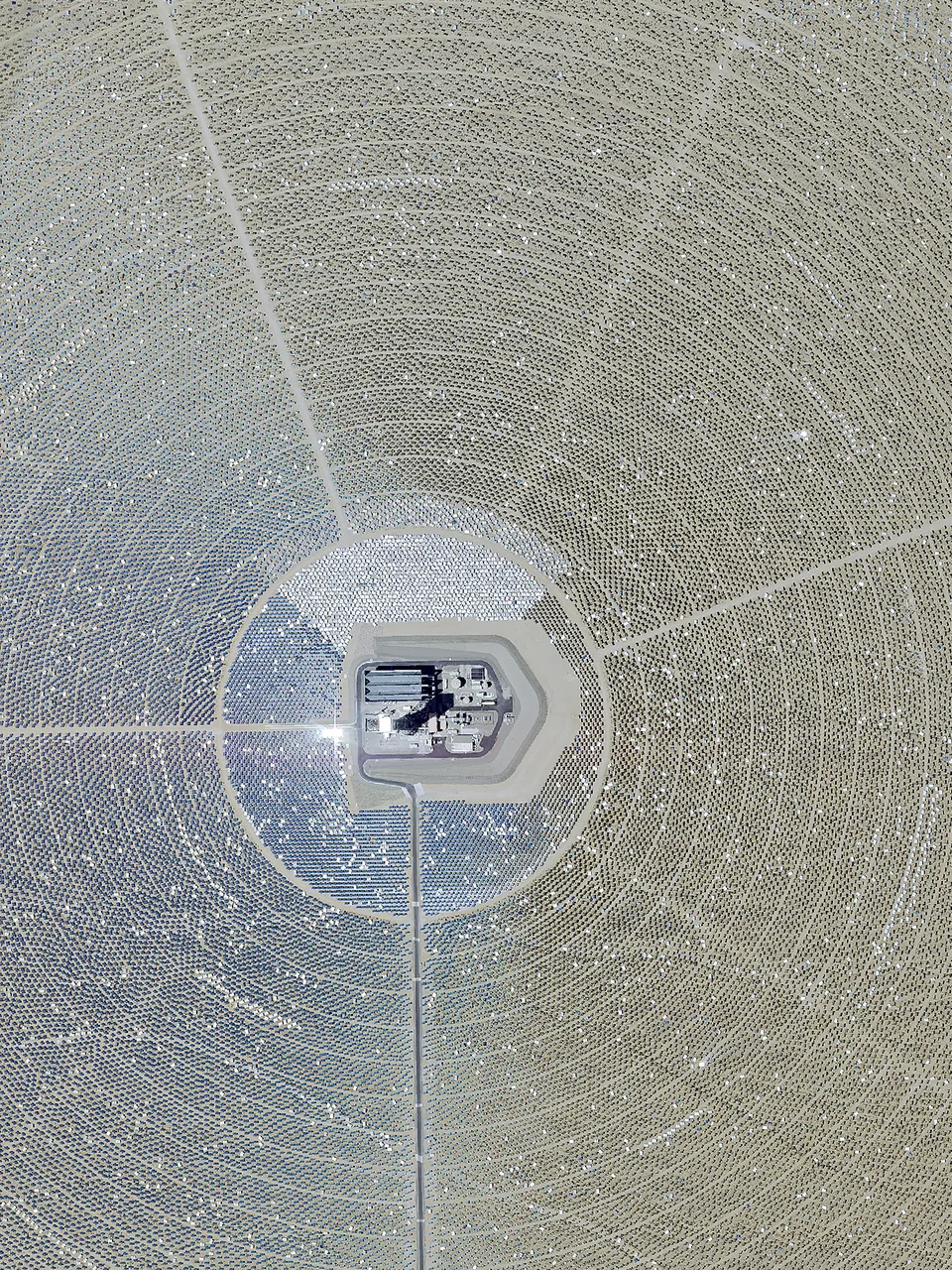
Policy dialogue at Davos this year turned to a practical question: how to move Earth observation from a specialist data source into everyday operations.
The economic stakes are considerable. An estimated 18% of UK GDP relies on space-enabled services, a figure often put at more than £450bn of wider industrial activity. Commercial space infrastructure now underpins communications, navigation and timing, weather and climate intelligence, disaster response and, increasingly, national and economic security, a dependence that calls for serious and sustained investment.
On the sidelines of the World Economic Forum, infinityPLEX joined a discussion at IHC House, hosted by Marlan Space, on the direction of private space stations, space biology and the commercial space economy. The panel brought together senior representatives of Vast and Deep Space Biology.
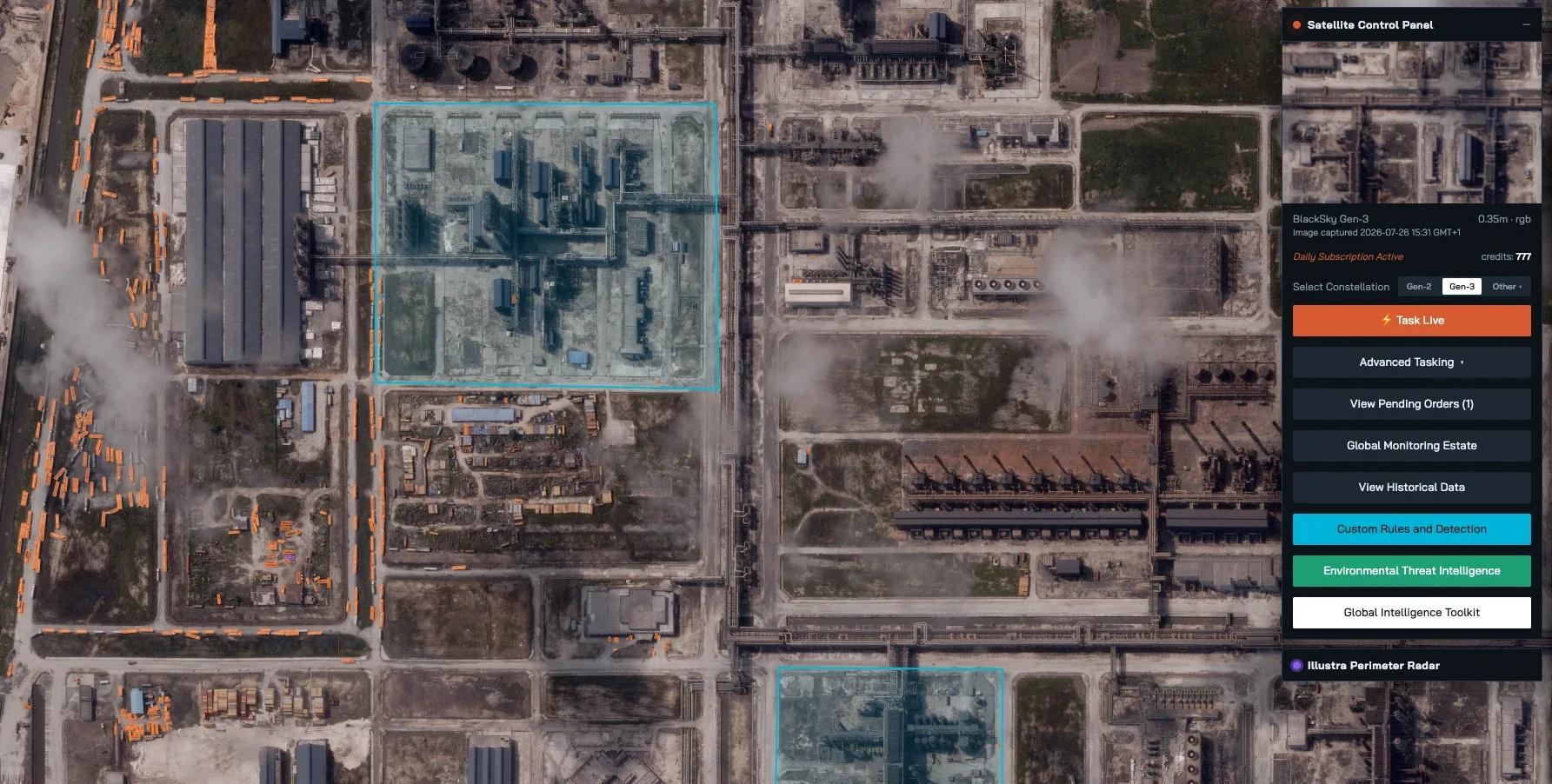
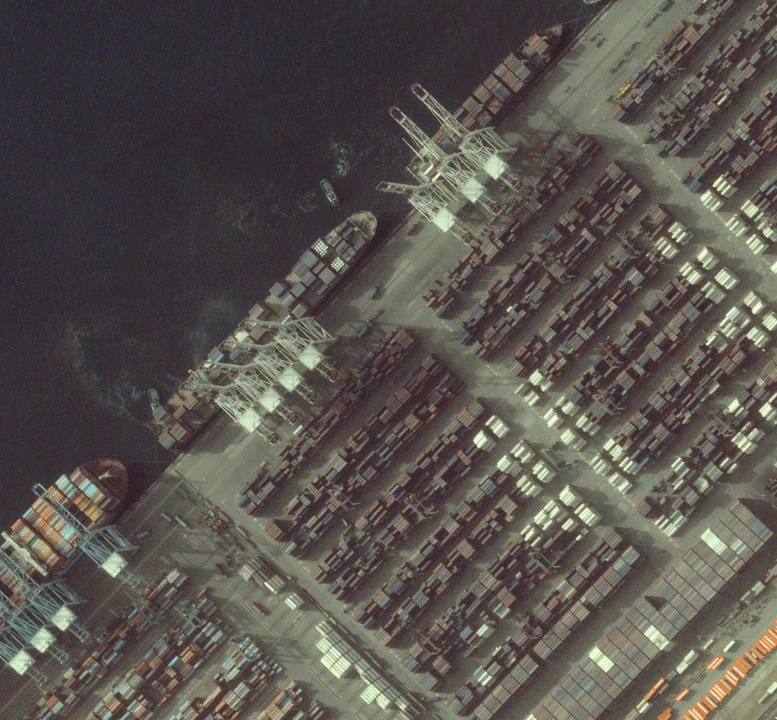
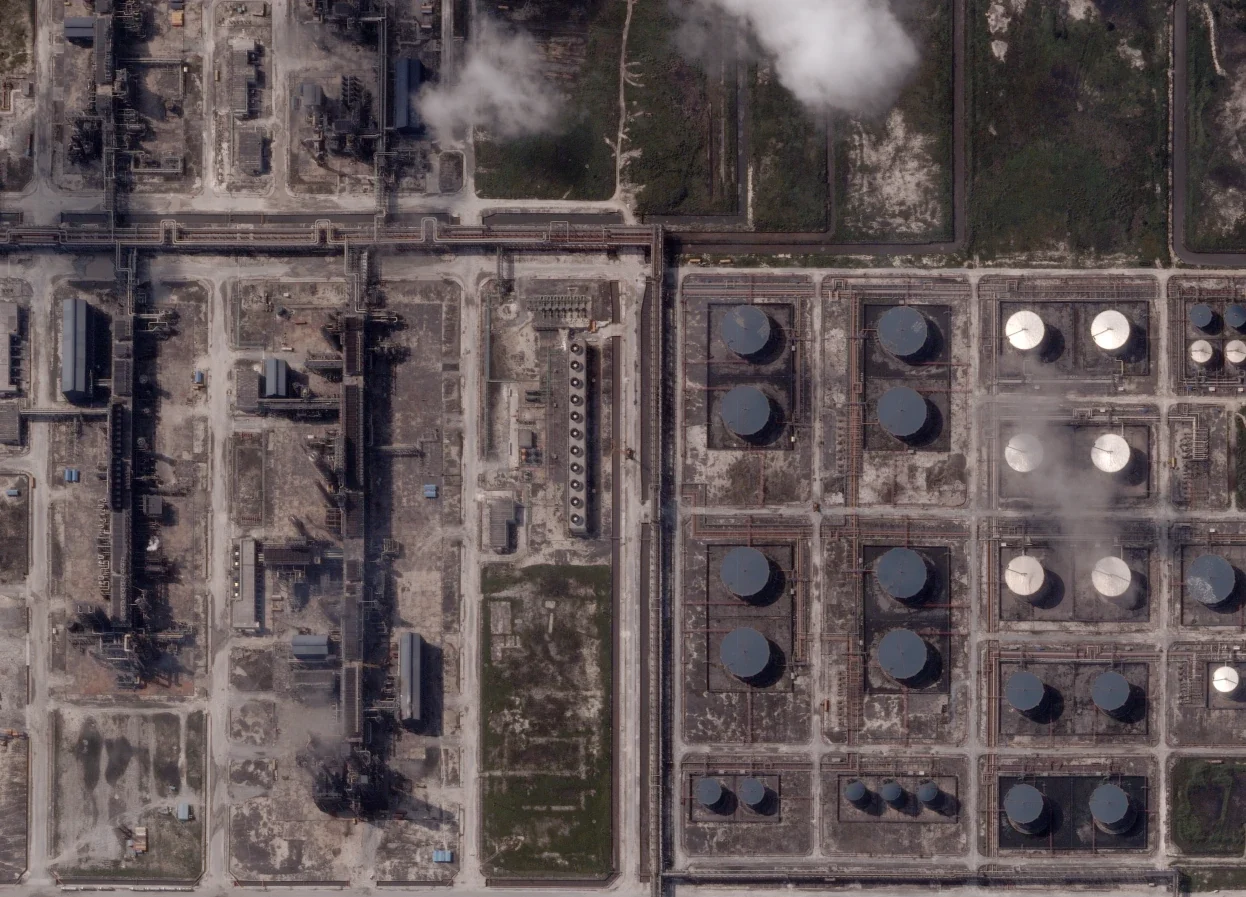
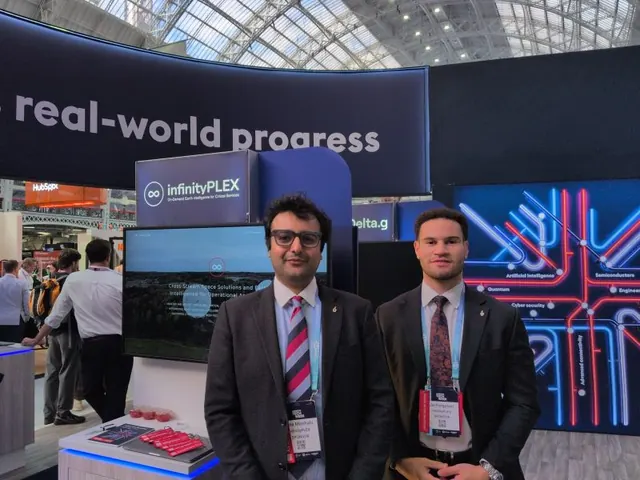
The shift rests on the convergence of Earth observation with intelligence, surveillance and reconnaissance, as platforms such as infinityPLEX® in the United Kingdom and Orbitlabs in the UAE bring the two disciplines together.
The conversation centered on what is being built in low Earth orbit, how those platforms will be used and where early commercial value is emerging. From private space stations to microgravity applications in pharmaceutical research and biological manufacturing, parts of the sector are moving from trial to delivery. Private infrastructure, in-space manufacturing and new operating models are being built at scale, and the commercial space economy is no longer a distant prospect.
The sessions at USA House were a further highlight of the week, adding to a broad and substantive program of discussion. Among the most notable contributions were the insights of Scott Bessent, United States Secretary of the Treasury, on the All-In podcast.
Resilience was the common thread in the wider debate, from operational continuity to the redesign of supply chains, with third-party risk now treated as a first-order concern. Industrial strategy is emerging as the framework for competitiveness, security and standards. AI capacity has become as physical as it is digital, dependent on manufacturing, semiconductors, energy systems and space infrastructure, while post-quantum security is moving from theoretical horizon to a strategic migration program with budgets, timelines and clear accountability.
The Financial Times invited infinityPLEX to a special event held alongside the World Economic Forum Annual Meeting, featuring a conversation with the chief executive of Arm. The discussion covered the evolving semiconductor market, the forces reshaping global technology leadership and Arm’s strategic direction, at a moment when industrial strategy and supply-chain resilience have become national and board-level priorities.